

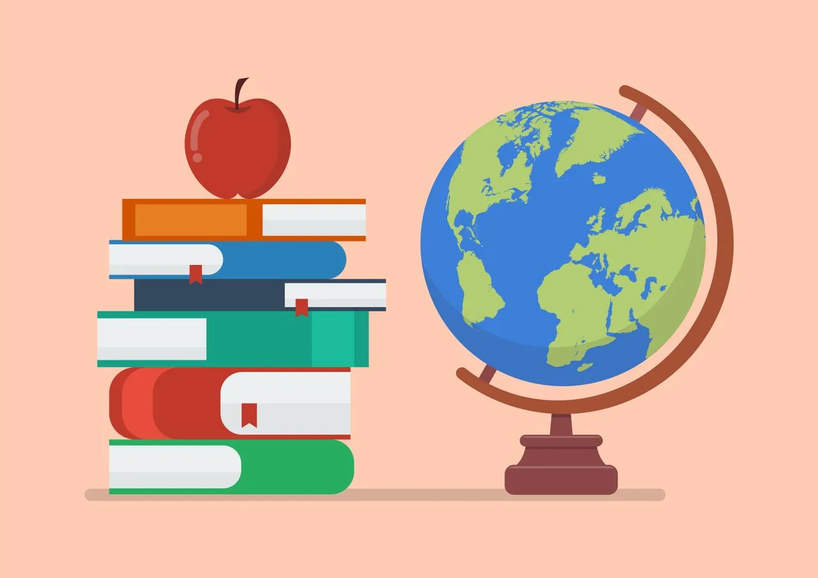
Around the World in Pages: Celebrating Global Cultures Through Children's Literature How Stories Connect Young Readers to the World Beyond Their Own
May 20th 2026
One of the most beautiful things about children’s literature is its power to transport young readers beyond their immediate surroundings - to places they’ve never seen, people they’ve never met, and traditions they’ve never experienced. Stories have always been a way to travel without leaving home, and in a globally connected world, books that celebrate international cultures are more valuable than ever.
Children’s literature that reflects global perspectives not only entertains - it educates, inspires empathy, and fosters curiosity. By exploring the world through pages, kids learn to appreciate cultural differences and recognize universal human experiences.
1. Books as Cultural Bridges
When children read stories from or about other countries, they begin to understand that while people may look, speak, or live differently, we all share common emotions - love, fear, hope, joy. Multicultural books help children relate to others across geographic and cultural boundaries by showing both the uniqueness and common threads of human life.
These stories act as bridges between communities, helping to combat stereotypes and spark genuine interest in learning more about the wider world.
2. Introducing Languages, Traditions, and Celebrations
Books that highlight global cultures often introduce young readers to new languages, foods, holidays, clothing, and customs in an accessible way. Whether it’s a story about a Diwali celebration in India, a grandmother making tamales in Mexico, or a child observing Ramadan, these narratives make the world feel both diverse and interconnected.
Such books help normalize cultural differences and show that all traditions are worth honoring and learning about.
3. Empowering Children with Global Awareness
Children who read stories set in other countries or cultures often grow up with a greater sense of global citizenship. These books help children understand that they are part of a much larger human story - one that includes voices, histories, and experiences beyond their immediate environment.
This awareness builds empathy and encourages young readers to become more thoughtful, respectful, and inclusive in how they view the world and interact with others.
4. Celebrating Authentic Voices
It’s important to seek out children’s books written by authors who are part of the cultures being represented. Authentic voices offer more nuanced, respectful, and personal portrayals of traditions, history, and values. These stories tend to avoid stereotypes and instead highlight the rich complexities of everyday life in different parts of the world.
Whether it's a folktale retold by a native storyteller or a contemporary tale about a child growing up in a bustling international city, authentic authorship helps ensure that the culture is presented with care and truth.
5. Creating Curiosity That Leads to Connection
Books set in other parts of the world often spark questions: “Why do they do that?” “Where is that country?” “Can we try that food?” This kind of curiosity is a wonderful foundation for learning and conversation.
Encouraging children to ask questions - and then find answers through books, discussions, or cultural experiences - helps them grow into open-minded learners with a love for discovery and connection.
Around the World in Pages isn’t just a fun idea - it’s a meaningful way to raise compassionate, curious, and informed readers. Global children’s literature allows kids to explore new landscapes, meet new friends, and discover that the world is much bigger - and more beautiful - than they ever imagined.
By filling bookshelves with stories from around the world, we’re not just broadening children’s horizons - we’re helping them build bridges of understanding that last a lifetime.
So the next time you pick up a picture book or middle grade novel, consider one that takes you far from home. You never know what wonders await - on the very next page.